
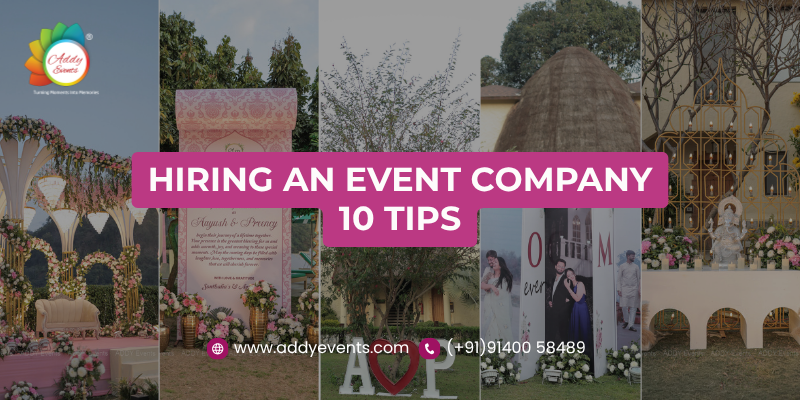
Hiring an event company can make the difference between an event that feels stressful and one that runs smoothly from planning to execution. Whether you are organizing a corporate event, wedding, product launch, conference, exhibition, birthday celebration, or large social gathering, the right event management company can manage hundreds of small details while keeping your vision, budget, and guest experience at the centre.
But how do you choose an event planner when so many companies promise creative concepts and flawless execution? The best approach is to evaluate experience, services, communication, transparency, and execution capabilities before signing a contract. Here are 10 practical tips for hiring an event company with confidence.
What Should You Look for When Hiring an Event Company?
Quick answer: Look for relevant event experience, a strong portfolio, transparent pricing, dependable vendors, clear communication, creative planning, contingency strategies, positive client feedback, and a team capable of managing your event from concept to completion.
1. Clearly Define Your Event Requirements
Before contacting an event planning company, define what you actually need. Consider the event type, estimated guest count, preferred location, date, budget range, theme, entertainment, catering, décor, technical requirements, and any special experiences you want to create.
A detailed brief allows an event planner to understand your expectations and recommend realistic solutions. It also makes comparing proposals much easier because every company is working with approximately the same requirements.
2. Choose a Company With Relevant Experience
Not every event management company specializes in every type of event. A team experienced in corporate conferences may have different strengths from a wedding planning company or experiential event agency.
Ask how many similar events the company has handled and what challenges were involved. Relevant experience matters because experienced planners understand venue coordination, timelines, guest movement, vendor management, permits, hospitality, technical production, and last-minute changes.
If you are planning celebrations outside your home city, understanding destination logistics is equally important. Our destination wedding planner guide explains key considerations when planning weddings away from home.
3. Review Their Portfolio and Previous Work
A portfolio gives you a practical sense of an event company’s creativity and execution quality. Look beyond attractive photographs. Notice whether different events have distinct concepts or whether every celebration looks almost identical.
Review décor styles, stage designs, guest experiences, branding, lighting, venue transformations, entertainment setups, and overall attention to detail. A versatile portfolio usually indicates that the team can adapt its approach rather than forcing every client into the same template.
4. Check Reviews, Testimonials, and Reputation
Client feedback can reveal things that a portfolio cannot. Look for comments about punctuality, communication, problem-solving, professionalism, budget management, vendor coordination, and how the team behaved under pressure.
Don’t judge an event planner based only on a few star ratings. Read detailed testimonials and, for major events, consider asking whether references from previous clients are available.
5. Understand Exactly What Services Are Included
One of the most important questions to ask an event management company is what exactly they will manage. Services may include venue selection, décor, catering coordination, entertainment, photography, guest hospitality, transportation, invitations, production, sound, lighting, artist management, accommodation, logistics, and on-site supervision.
Request a clear scope of work. Knowing who is responsible for each activity prevents confusion when the event date gets closer.
6. Discuss Your Budget Openly
A professional event planner should be able to work within a realistic budget and explain where your money will have the greatest impact. Be clear about your approximate spending range rather than asking for unlimited ideas and discussing the budget later.
Request an itemized proposal whenever possible. Ask about management fees, vendor charges, taxes, transportation expenses, overtime, additional manpower, cancellation terms, and possible extra costs. Transparent pricing reduces unpleasant surprises later.
7. Evaluate Communication and Responsiveness
Event planning involves constant coordination. So communication shouldn’t be treated as a minor factor.
Notice how the company communicates during your first few conversations. Do they understand your requirements? Do they ask useful questions? Are proposals clear? Do they explain alternatives instead of simply saying yes to everything?
A reliable event management team should establish a clear communication process and identify the person who will be your primary point of contact.
8. Ask About Vendor Management
Strong vendor relationships are one of the biggest advantages of hiring an experienced event company. Event planners regularly coordinate with decorators, caterers, production teams, photographers, entertainers, transportation providers, hospitality staff, and venues.
Ask whether the company works with established vendors and how they evaluate quality. Good vendor management can improve coordination, maintain service standards, and reduce the chance of operational problems on the event day.
9. Discuss Backup Plans and Risk Management
Even perfectly planned events can face unexpected problems. Outdoor functions may encounter weather issues, equipment can fail, artists may be delayed, traffic can affect guest movement, and vendors sometimes face operational difficulties.
Ask your event planner what contingency plans will be available. Backup power, alternative technical equipment, weather arrangements, replacement vendors, buffer time, emergency contacts, and clear responsibility allocation are signs of professional event planning.
10. Choose a Team That Understands Your Vision
Price matters, but the cheapest quotation isn’t automatically the best choice. Your event company should understand the atmosphere and experience you want guests to remember.
During consultations, notice whether the team merely recommends popular trends or develops ideas around your objectives. The right partner combines creativity with practical execution. After all, what good is an impressive concept if it cannot be delivered properly?
Why Choose Addy Events for Event Planning?
Addy Events focuses on planning experiences around the client’s requirements rather than relying on a one-size-fits-all approach. From weddings and destination celebrations to corporate events and social gatherings, the aim is to bring planning, creativity, coordination, and execution together under one dependable process.
Clients looking for a destination wedding planner in Delhi NCR can also explore our destination wedding planning services in Delhi NCR to understand how professional planning can simplify venue coordination, hospitality, décor, logistics, and wedding execution.
With an experienced event planning partner, you can spend less time managing vendors and troubleshooting details and more time focusing on your guests and the purpose of the occasion.
Questions to Ask an Event Management Company Before Hiring
- Have you managed events similar to mine?
- What services are included in your proposal?
- Who will be my main point of contact?
- How do you select and manage vendors?
- How do you handle last-minute changes?
- What backup arrangements do you recommend?
- Are there additional charges beyond the quotation?
- What are your payment and cancellation terms?
Frequently Asked Questions About Hiring an Event Company
What does an event management company do?
An event management company plans, coordinates, and executes events. Depending on the package, services may cover venues, décor, catering coordination, entertainment, logistics, production, guest management, technical arrangements, and on-site supervision.
When should I hire an event planner?
For larger events, hiring a planner several months in advance gives you more venue and vendor choices. Weddings, conferences, destination events, and large corporate functions generally benefit from earlier planning.
How do I choose the best event management company?
Compare companies based on relevant experience, portfolio quality, reviews, communication, pricing transparency, vendor network, planning process, contingency arrangements, and how well they understand your event objectives.
Is hiring an event company worth it?
For complex events, professional planning can save considerable time and reduce coordination pressure. An experienced team can manage vendors, schedules, logistics, production, guest requirements, and on-site issues while keeping the event organized.
Should I choose an event planner based on price?
Price should be one consideration, not the only one. Compare the scope of services, quality of vendors, experience, reliability, creative input, and level of event-day support before making a final decision.
Final Thoughts
Hiring the right event company is ultimately about trust, capability, and compatibility. Define your requirements, compare portfolios, understand pricing, ask about backup plans, and choose a team that listens carefully before recommending solutions. A professional event planner should make the planning process clearer while giving you confidence that the details are being handled properly.
Let’s Discuss Your Project
Have an idea or need a reliable event management partner? We’d love to hear about your project and help turn it into reality.
 WhatsApp Us
  Call Now
Leave a Reply
You must be logged in to post a comment.